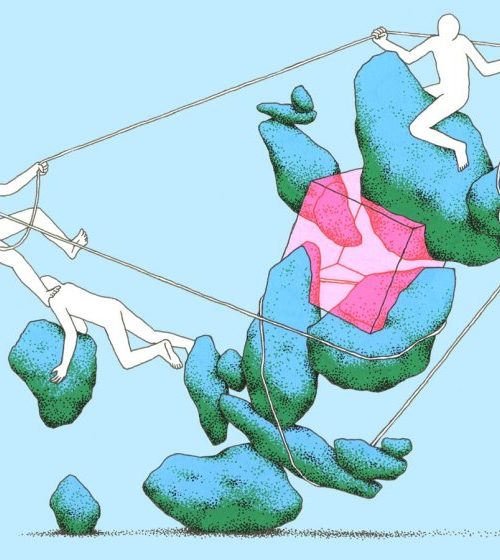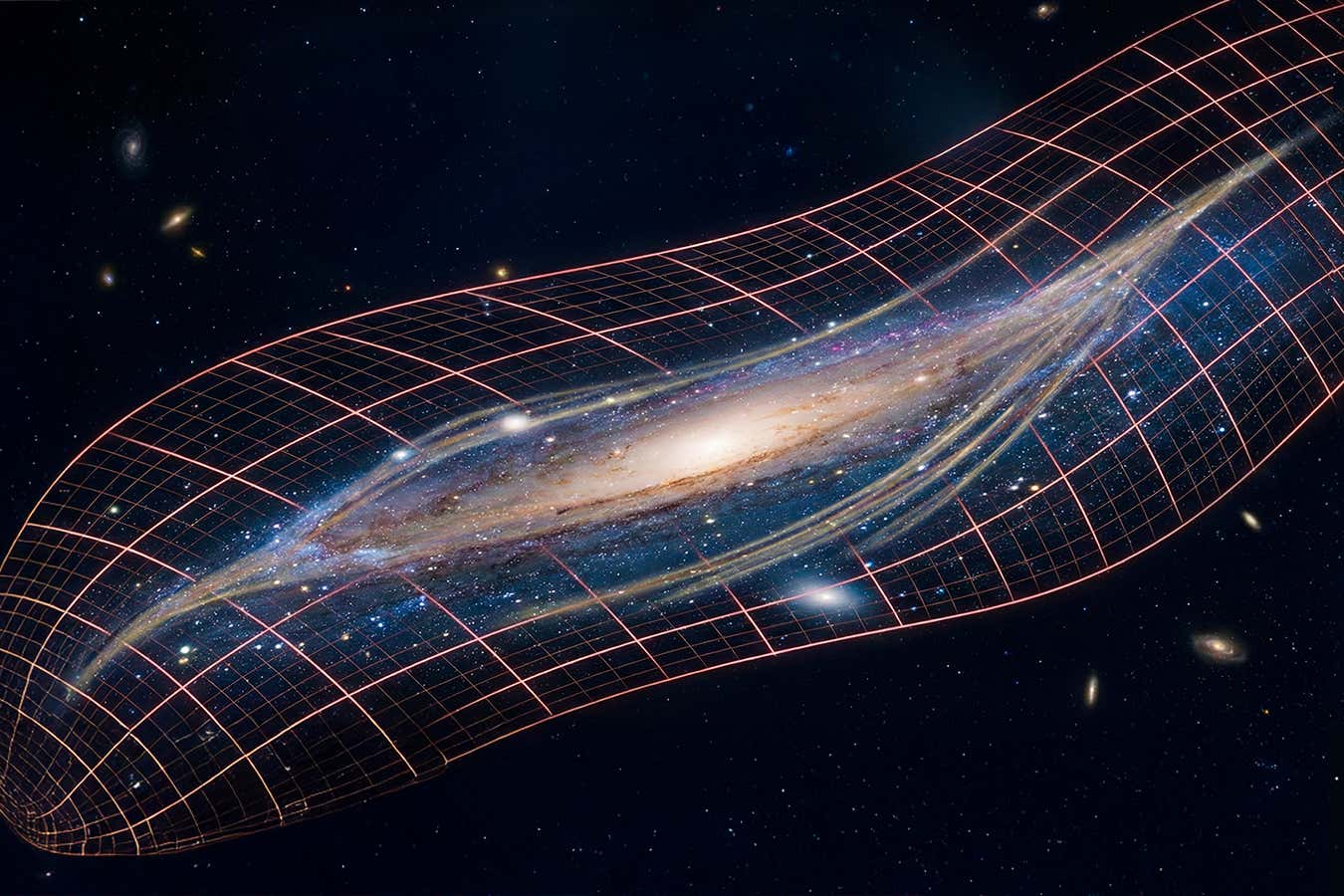
Cosmology is in crisis. The pillars of science’s most successful model of how the universe formed – and where it is heading – are starting to crack. One of those pillars is dark energy, a mysterious force causing the universe to expand faster and faster, defying what Einstein and others once expected. What is the true nature of dark energy, and how do we finally pin it down?
Physicist Tessa Baker at the University of Portsmouth, UK, is at the forefront of this search, working with some of cosmology’s most powerful tools, including the Laser Interferometer Gravitational-Wave Observatory (LIGO). By studying ripples in space-time sent out by the most extreme events in the cosmos, such as black hole mergers, experimentalists like Baker are beginning to test radical ideas: that dark energy might stem from hidden dimensions, elusive fields detectable only in deep space, or, Baker’s personal favourite, from the thermodynamic properties of space-time itself.
Topics: